Why Does Skin Age? The Biology Behind It
Why Is My Skin Aging So Quick?
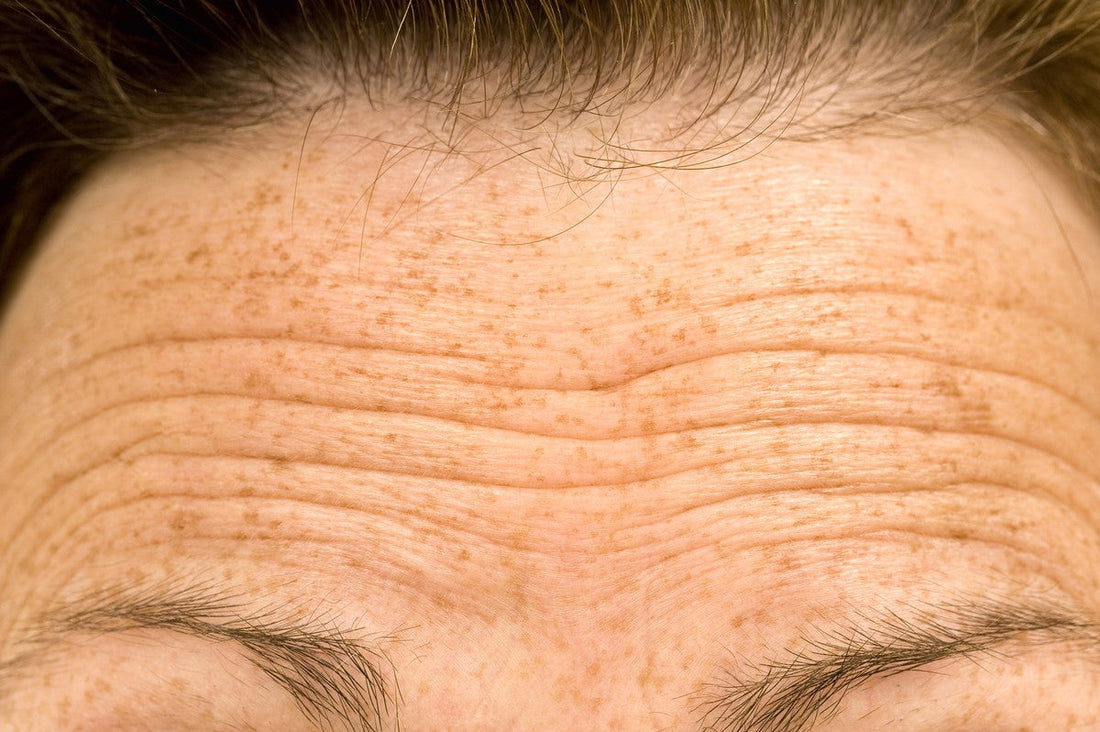
Loss Of Volume
As we age, the stem cells and fibroblasts that are in charge of generating collagen, elastin, heparan sulfate, and hyaluronic acid slowly come to be "careless" or underactive. Therefore, our skin starts to generate less and less of these crucial parts, adding to lines, wrinkles, and thinning skin. Repeated facial expressions and face activities, such as squinting or smiling, causing fine lines and creases.Can I Reverse Facial Aging?
When UV rays struck the skin, they harm its DNA, and cells in the dermis shuffle to create melanin in the skin to stop more damage. This is the process that provides you a tan, which is actually just your skin attempting to block the radiation from penetrating your skin. Innate ageing is specified by the professional, histological and physiological changes that happen in sun-protected areas of skin of older people. As we age, the cells in our body-- consisting of the skin-- do not restore as promptly as they utilized to.Our Anti-aging Items
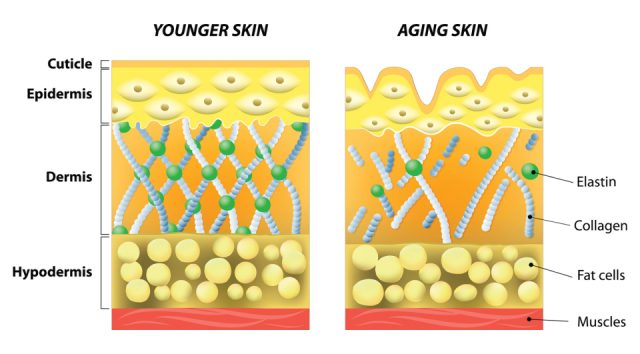
Deteriorated collagen and elastin fibers affect the skin's flexibility and the phantom of wrinkles. Ultimately, allow's not neglect our good friend gravity that regularly pulls on our ever-thinner skin, making the face less oval-shaped. Understanding the auto mechanics of inherent and extrinsic aging empowers you to take control of your skin's future. By combining a positive skin care routine with healthy lifestyle choices, you can significantly reduce the noticeable indicators of aging and keep your skin looking glowing and youthful. Air air pollution is a significant ecological aspect contributing to early skin aging.
- When this balance fails, hazardous bacteria colonise your skin and create barrier damages and continuous immune activation, which results in continual inflammation.
- The level of defense you select need to differ depending upon your area and the sun's intensity.
- Certainly, starting around age 30, cellular renewal decreases which minimizes the skin's tonus.
- Harsh lathering active ingredients in cleansers, excessive peeling and peels, bad rest, and persistent stress are just a few facets of our modern-day way of lives that adversely impact skin's barrier.
- After two weeks of using 2% Relipidium ™, skin hydration improved by 12%.
- Vitamin C boosts collagen synthesis as a cofactor for prolyl and lysyl hydroxylase in collagen development.
Safety nets permit you to shield and fix your skin prior to significant damages occurs. Routine treatment helps in reducing the need for even more intrusive therapies later on. Dermatological developments now supply devices that make keeping younger skin much easier than ever before. Smoking cigarettes deprives your skin of oxygen and nutrients, which speeds cellular damage and problems collagen and elastin. Refined foods that are high in sugar and refined carbohydrates Women's intimate health can activate inflammation and contribute to collagen and elastin malfunction within your skin.
In addition, an inadequate diet regimen reduced in vitamins and antioxidants, combined with high alcohol intake and inadequate hydration, can lead to a dull complexion and early crease development. The sunlight is the primary enemy when it involves preventing skin aging. Utilize a broad-spectrum sunscreen with SPF 30 or greater daily, also on cloudy days. LLLT using image biomodulation by red or near infrared light boosts mitochondrial ATP production in the dermal cells.This is specifically why usual way of living and ecological elements accelerate aging so efficiently. As an example, UV damage causes immune disruption and runaway swelling (breaking down collagen and disabling key cells), while additionally hurting the microbiome and compromising the obstacle. The exact same concept puts on high-sugar diet regimens, air pollution, stress and anxiety, and more. They accelerate aging largely by damaging one or more of the 3 pillars.
These substances postpone the transition from pre-aging to maturing skin while maintaining vibrant appearance and skin structure. These representatives minimize formation of reactive oxygen varieties and inflammatory moderators in keratinocytes and fibroblasts. They inhibit metalloproteinase expression which brings about the break down of collagen. They additionally obstruct UVA/UVB radiation avoiding the DNA damage triggered by this spectrum of light. Some oils contain high degrees of polyunsaturated fatty acids, such as corn oil or sunflower oil. These can create damaging cost-free radicals and enhance swelling in the body.